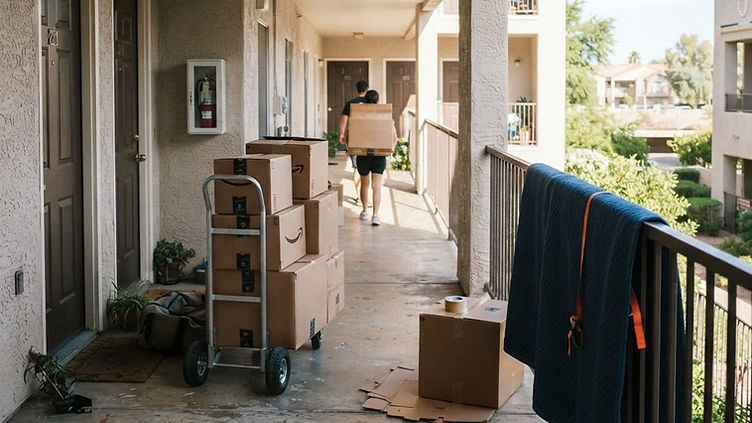
Move-in day is the only moment in the resident lifecycle when everything the property has promised is simultaneously on display. It is also, structurally, a small logistics operation running inside a workplace that has other things to do.
Treating it as an event rather than a handoff is where most of the disappointment starts.
The turn is a schedule, not a task
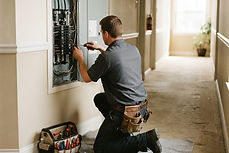
A unit being made ready is a sequence: move-out inspection, vendor scheduling, punch work, paint, cleaning, final walk, keys, welcome packet. Each step depends on the one before it, and each one has a realistic duration that is shorter in the plan than in the building.
When the sequence is tracked as a status — "in progress" — it hides the thing that actually matters, which is whether the next two steps have been scheduled. A unit sitting in "paint scheduled" for a week looks busy and is not moving.
The fix is a weekly turn board with dates, not statuses: when the vendor is booked, when cleaning is booked, when the final walk is scheduled, who performs it. Any unit without a date for its next step is the one to talk about in the meeting.
The final walk is not a formality
A punch list written by the person who has been in the unit fifty times will miss what a resident sees in the first thirty seconds: the paint drip on the door casing, the cabinet that closes crooked, the outlet without a plate, the smell from the disposal, the fact that the blinds are the wrong length.
Walk it as a resident. Open every door and drawer, run the water, turn on every light, flush, lock and unlock, stand in the middle of the empty living room and look around slowly. Photograph the unit at that moment — not for marketing, for the record. Move-in condition photos protect both sides of a deposit conversation later, and they are worth the ninety seconds.
The first forty-eight hours
Most move-in problems surface quickly. The key fob does not work on the gym door. The internet installer cannot find the ONT. The parking pass is for the wrong lot. The unit has one closet rod and two bedrooms. Each is small, and each one lands on a leasing team that is already running tours.
Plan for it. Block time the day after a scheduled move-in for follow-up, assign an owner, and send a short message asking how the first night went. A resident who reports a small problem and gets a fast answer becomes a resident who trusts the office. A resident who reports a small problem and gets silence learns to escalate early and often.
Say what is not ready
The hardest move-in decision is the one where the unit is not finished and the resident is arriving. Delaying is expensive and awkward. Delivering a partially finished unit without warning is worse, because it converts a scheduling problem into a trust problem.
If something is incomplete, say so before the resident walks in, name the date it will be resolved, and put it in writing. Residents are remarkably reasonable about a known gap. They are not reasonable about discovering one while standing in it.
One owner, one schedule
Move-in works when a single person holds the board and can see every unit's next step. It falls apart when the leasing team owns communication, maintenance owns the turn, and the cleaning vendor reports to a regional who is not on site.
Give someone the calendar. Make it visible. Update it daily, even when the update is that nothing moved — especially then.