The conversation about AI in multifamily usually arrives in one of two shapes. Either a vendor deck promising a fully autonomous leasing office, or an eye-roll from someone who has watched a chatbot misread a simple question about parking. Both are describing something real, and neither is describing the whole job.
Strip away the language and most deployed AI in apartment operations is doing one thing: absorbing the repetitive first mile. Responding to an inquiry within seconds instead of hours. Booking the tour. Sending the follow-up. Answering the same eight questions about pet policy, availability and application status for the four hundredth time this quarter.
Where the model actually struggles
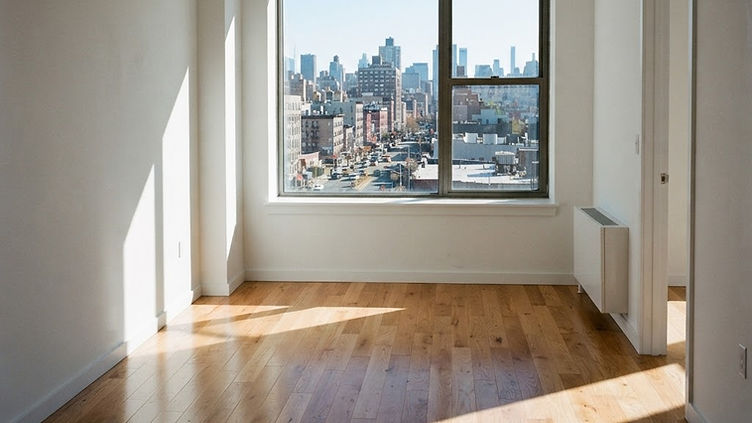
Two areas hold up. The first is physical context — the property knowledge that isn't in the CRM, like which building gets morning sun or where trucks idle at 6am. The second is judgement under ambiguity: the prospect who is quietly deciding whether this place is good enough for them, the resident who is upset about something adjacent to what they're complaining about, the fair housing question that needs a human to stop and think.
Those are not small corners of the role. For a lot of leasing consultants they are the reason the job is interesting.
The question that matters
If AI absorbs the first mile, what fills the space? In a well-run community, the answer is more time on the property with people who are already interested — tours, resident interactions, renewals, the conversations that convert. In a badly run one, the answer is more administrative work, a higher lead volume to manage, and a role that gets measured on response time to messages a machine already answered.
The technology is not making that choice. The operator is.